
School Plan
To increase literacy outcomes for all students.
How can the strategic integration of whole class instruction, small group learning, and targeted interventions-grounded in best practices and current literacy research-maximize literacy achievement for all students?
Sidney School staff are committed to increasing literacy outcomes for all of our students.
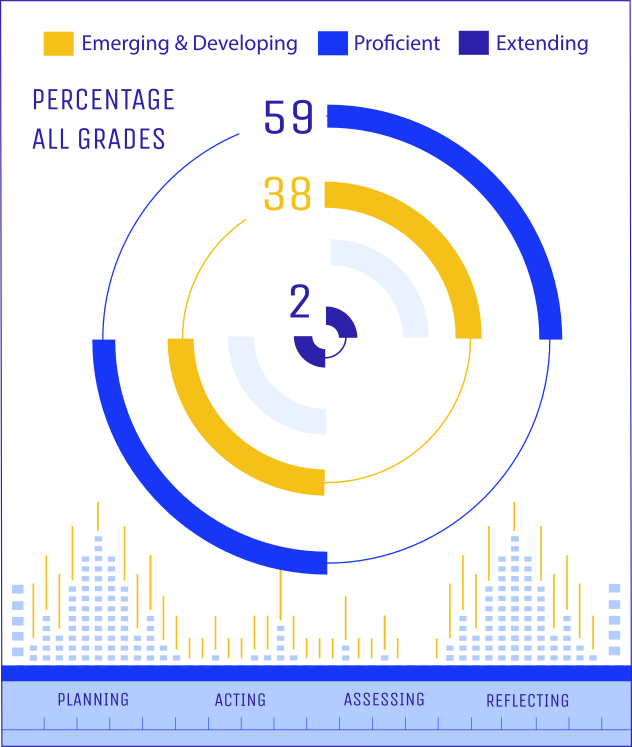
Our most recent (2024/25) report card literacy data showed:
- 38% of students are emerging or developing (improvement from 42% in 2023/24)
- 59% of students are proficient (growth)
- 2% are extending
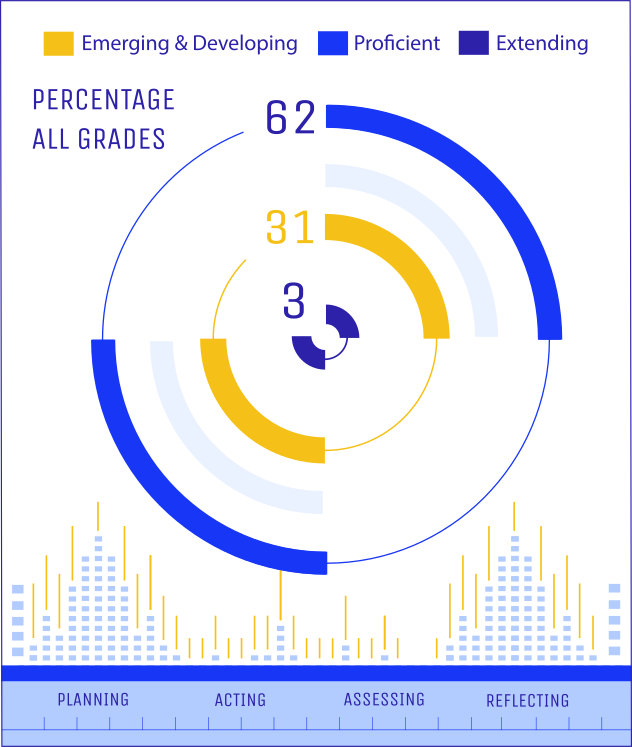
Our District Literacy Assessment data showed:
- 31% of students are emerging or developing
- 62% of students are proficient
- 3% of students are extending
Through our school-based Literacy intervention team, our school provides daily, regular literacy intervention to 12% of our student population outside of the classroom. Aligning our classroom practice with high quality, research based, whole class literacy instruction will provide foundational literacy support to all students in our school. Classroom instruction will provide repetition and consistent literacy instructional approaches for students who are also receiving interventions weekly.
This goal and focused inquiry question aligns directly to our district’s strategic priority in Literacy. Additionally, our intended approaches are deeply connected to First Peoples Principles of Learning, specifically that:
- Learning involves patience and time;
- Learning is holistic, reflexive, reflective, experiential, and relational (focused on connectedness, on reciprocal relationships, and a sense of place); and
- Learning is embedded in memory, history, and story.
Report Card Data 2024/25 - All Grades
District Literacy Assessment 2024/25 - All Grades

First Peoples Principles of Learning

The Literacy Goal needs to ensure that:
- Learning involves patience and time;
- Learning is holistic, reflexive, reflective, experiential, and relational (focused on connectedness, on reciprocal relationships, and a sense of place); and
- Learning is embedded in memory, history, and story.
Over the course of the year, the following will be our specific actions:
- teacher access to high quality resources to support instruction;
- regular professional development for all staff focusing on whole group instruction strategies;
- increased opportunities for collaboration drawing on expertise of staff;
- mentoring opportunities between teaching staff (collaboration, class visits, team teaching);
- aligning instruction and intervention amongst all teaching and itinerant staff (classroom teachers, Speech Language Pathologist, and school / district based teams);
- Monthly Family Read Around the School; and
- Indigo Grant from 2023-2026 ($50,000) to purchase quality books and resources for classrooms and our Learning Commons.


Over the 2025-2026 year, we will track progress on our initiatives identified in this year’s plan. And, specifically the following will be key elements:
- Learning involves patience and time;
- Report Card Data (Literacy report card data - June);
- DLA Data (2025-2026);
- Foundation Skills Assessment (FSA);
- Literacy Tracking form;
- Teacher formative and summative assessments; and
- Designing a responsive and flexible student support schedule (eg Lit support, ELL, SLP, remedy)
Summary learning, based on evidence gathered over the year, will provide us with key learnings to guide next steps for the 2025-26 school year and beyond.